Aproximately 5 min read
TL;DR
Social deduction games started in 1986 as a classroom psychology experiment in Moscow, spread across the world as Werewolf, then split into dozens of variants over the next three decades — from The Resistance (2009) to Secret Hitler (2016) to Among Us (2018). Somewhere in the middle of that timeline, in 2015, we released our own entry into the genre: Jack the Ripper. This post traces the genre from its psychology-lab roots to today.
It started as a psychology experiment (1986)
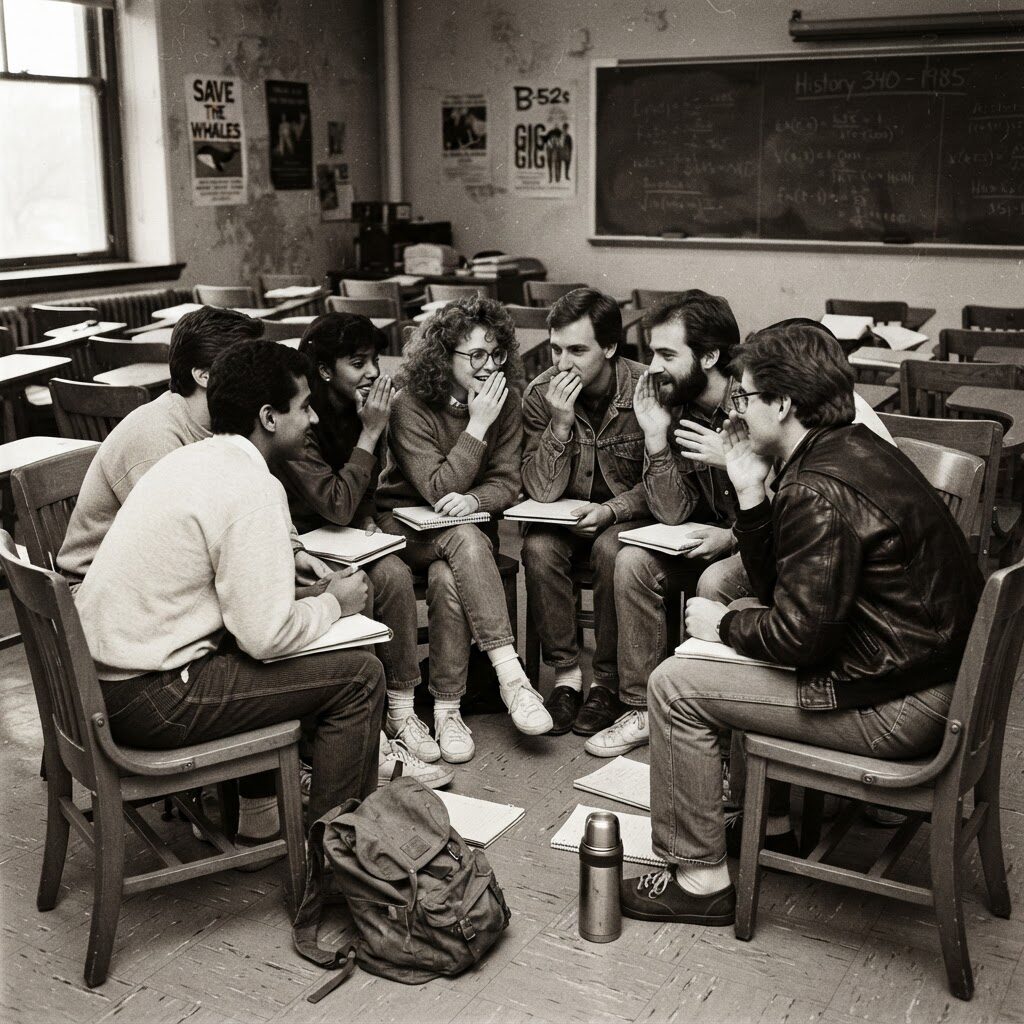
Social deduction games didn’t come from a toy company — they came from a classroom. In 1986, Dmitry Davidoff, a psychology student at Moscow State University, invented Mafia as a way to study how groups detect deception and how an informed minority survives against an uninformed majority. Players split into “townspeople” and “mafia,” and each round became a live experiment in trust, suspicion, and persuasion.
Mafia becomes Werewolf (late 1980s–1997)
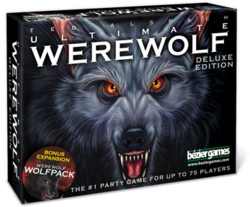
The core mechanic — a hidden minority hunting a blind majority, resolved through group discussion and voting — proved endlessly adaptable. By the late 1980s, the game had spread through Soviet and then Western university circles. In 1997, game designer Andrew Plotkin re-themed Mafia at a gaming convention, swapping mob bosses for lycanthropes. Werewolf was born, and the horror-fantasy skin made the format far easier to market and sell as a standalone party game.
The genre goes commercial (2000s)
Through the 2000s, publishers began packaging the Mafia/Werewolf formula into boxed products with roles, art, and rulebooks, rather than leaving it as an oral parlor game. This era cemented social deduction as its own board game category rather than just a party trick.
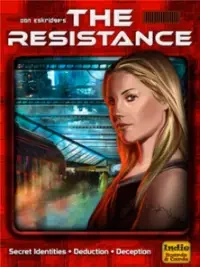
The most influential release of this period was The Resistance (2009, designed by Don Eskridge, published by Indie Boards & Cards). It solved Mafia’s biggest flaw — players getting eliminated early and sitting out the rest of the game — by keeping everyone in until the end, win or lose. That single design change influenced nearly every social deduction game that followed.
Faster, smaller, sharper (2013–2014)
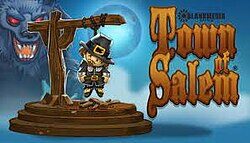
As the genre matured, designers experimented with shrinking the format. One Night Ultimate Werewolf (Bezier Games, first shown in 2013, widely released in 2014) compressed the entire game into a single round with no moderator needed — a huge accessibility win for casual play groups. Around the same time, Town of Salem (2014) brought the genre online as a free browser-based game, proving social deduction could work asynchronously, with strangers, at scale.
Our contribution: Jack the Ripper (2015)
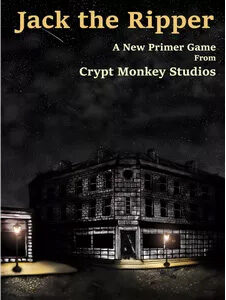
In 2015, we released Jack the Ripper — our own take on the social deduction formula, set against the fog and gaslight of Victorian London instead of a village of werewolves or a spaceship. It landed right in the middle of the genre’s most productive decade, between the tactical minimalism of One Night Ultimate Werewolf and the political satire of what was coming next in Secret Hitler.
Politics enters the genre (2016)
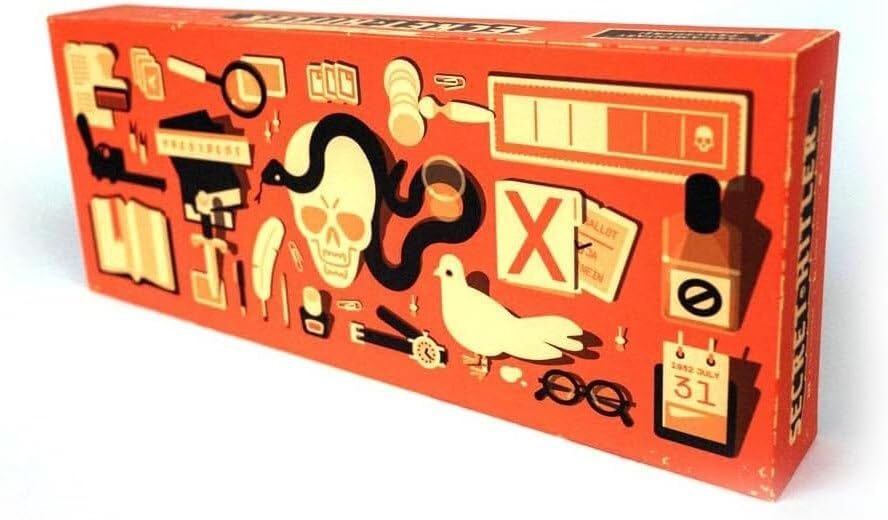
Secret Hitler, designed by Mike Boxleiter, Tommy Maranges, and Max Temkin, launched via Kickstarter and released on August 25, 2016. It combined The Resistance’s no-elimination structure with a satirical Weimar Republic setting, and became one of the best-selling indie tabletop games of the decade — proof that social deduction could carry real thematic weight, not just genre trappings.
Social deduction goes digital and mainstream (2018–present)
Among Us, released by Innersloth in 2018, took the genre furthest from its tabletop roots. Set aboard a spaceship with simple point-and-click mechanics, it exploded in popularity in 2020 and introduced social deduction to a generation of players who’d never played Mafia or Werewolf. Its success proved the format’s core loop — hidden roles, public discussion, collective voting — translates just as well to a screen as it does to a kitchen table.
Why the genre keeps working
Every game in this lineage — Mafia, Werewolf, The Resistance, One Night Ultimate Werewolf, Jack the Ripper, Secret Hitler, Among Us — shares the same DNA: hidden information, a ticking clock, and a room full of people trying to read each other. Forty years after a Moscow psychology class turned it into a game, that formula still hasn’t gotten old.
Quick timeline reference
| Year | Game | Milestone |
|---|---|---|
| 1986 | Mafia | Genre origin, Moscow State University |
| 1997 | Werewolf | Mafia re-themed, becomes mainstream party game |
| 2009 | The Resistance | Removes player elimination |
| 2013/2014 | One Night Ultimate Werewolf | Single-round, moderator-free format |
| 2014 | Town of Salem | Genre goes online/asynchronous |
| 2015 | Jack the Ripper | Our release — Victorian mystery take on the genre |
| 2016 | Secret Hitler | Political satire theme, Kickstarter breakout hit |
| 2018 | Among Us | Genre goes mass-market digital |